Composition Book Pattern Pastel: A Creative Font Review
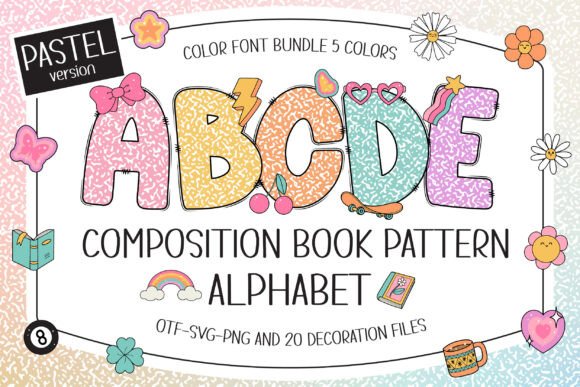
The classic composition notebook is an icon of school days and brainstorming sessions. Now, imagine that familiar black-and-white marbled pattern softened with a palette of dreamy pastels and infused with Y2K-era charm. That’s the essence of Composition Book Pattern Pastel. This display font isn't just a typeface; it's a design asset that blends nostalgic comfort with a fresh, modern aesthetic. It offers a unique visual texture, turning every letterform into a tiny piece of patterned art that feels both familiar and excitingly new.
Visual Personality and Style
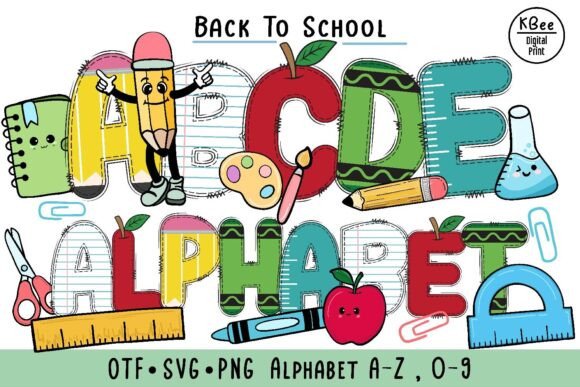
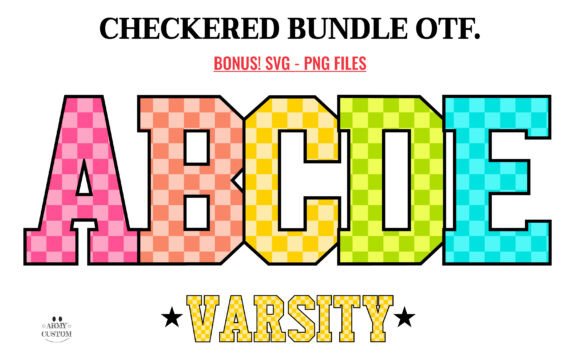
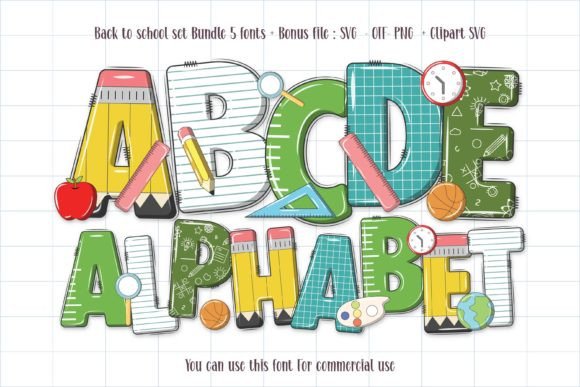
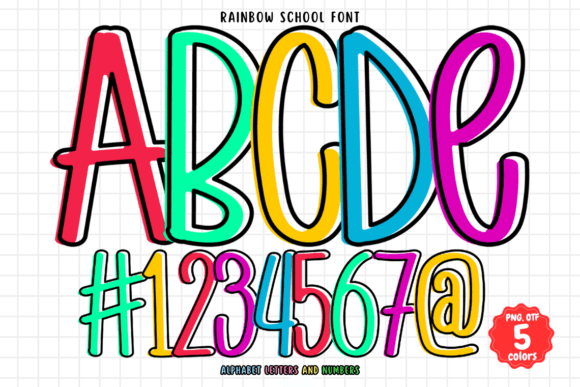
At its core, this is a creative font built for impact. The defining feature is, of course, the composition book pattern filling each letter. In the pastel version, this pattern is rendered in soft lavender, mint, peach, baby blue, and pink, offering five distinct color options. The style is playful and nostalgic, directly referencing the early 2000s with 20 included Y2K-style doodle cliparts—think stars, hearts, swirls, and smiley faces. This combination makes it a standout display font, perfect for projects where you want to inject personality and a sense of fun. It’s less about quiet elegance and more about joyful, eye-catching statements.
The font’s character is inherently informal and approachable. It carries the weight of a serif font in its structured letter shapes but presents itself with the casual flair of a handwritten font. This duality makes it versatile for certain contexts. It feels personal, like something from a scrapbook, yet its bold pattern ensures it commands attention in social media graphics or on a physical poster. For designers, it’s a tool to create immediate emotional resonance, evoking memories of note-passing and doodling in the margins.
Where This Font Truly Shines
Understanding where Composition Book Pattern Pastel works best is key to using it effectively. It excels in environments where a touch of whimsy and nostalgia is welcome. Think beyond traditional typography and into the realm of experience design.
- Educational and Classroom Materials: This is its natural habitat. Use it for bulletin board headings, worksheet titles, reading corner signs, and educational posters. It makes learning materials feel more engaging and less intimidating for students of all ages.
- Scrapbooking and DIY Crafts: The font is a perfect match for digital and physical scrapbooks, journaling cards, and DIY project labels. Its pattern adds built-in texture, reducing the need for additional decorative elements.
- Personalized Gifts and Merchandise: Create standout designs for T-shirts, tote bags, mugs, and stickers. The pastel palette is particularly appealing for personalized names, monograms, or fun phrases on sublimation projects.
- Brand Identity for Niche Markets: For brands targeting a youthful, nostalgic, or playful audience—think stationery shops, indie crafters, or retro-themed cafes—this font can become a cornerstone of a memorable brand identity. It works well for logos, packaging accents, and web design headers where a distinct vibe is more important than corporate neutrality.
Its role is almost always as a headline or accent font. Using it for long paragraphs of body text would quickly become overwhelming. Instead, pair it with a clean sans serif font or a simple script font for supporting text to maintain readability and create a clear visual hierarchy.
Practical Application and Font Pairing
Choosing the right font involves more than just liking its style. You need to evaluate its fit for your specific project. With Composition Book Pattern Pastel, consider the medium. The pastel color version is a specialized asset; remember that its OTF/TTF files are only compatible with certain design programs like Adobe Photoshop, Illustrator, Silhouette, and Inkscape. The classic black version, however, is compatible with Cricut Design Space and other cutting machines, making it ideal for physical die-cut projects.
Effective font pairing is crucial. Because this typeface is so visually dense, it needs balance. A simple, geometric sans serif font like Montserrat or Lato provides a clean counterpoint. For a slightly softer feel, a gentle script font can add elegance without competing for attention. The goal is to let the composition pattern be the star of the show. Test your pairings in your actual design software to see how the colors and patterns interact with other elements.
Always review the included styles and cliparts. The 20 Y2K doodles are integral to the font's charm and can be used alongside the letters to create cohesive compositions. When working on commercial projects, ensure you understand the licensing. Most premium fonts like this come with a license that covers a wide range of uses, but it's always best practice to verify the terms for your specific application, whether it's for editorial design, packaging design, or digital products for sale.
Ultimately, Composition Book Pattern Pastel is a powerful tool in a designer's toolkit for evoking a specific mood. It’s not a workhorse for body copy, but for creating moments of delight, nostalgia, and playful emphasis, it’s exceptionally effective. Use it to add a layer of personality to your next project, and watch it transform a simple design into something memorable and full of character. For detailed instructions on installation and use, especially with its color version, consulting a comprehensive resource like the Ultimate Font Guide is a smart first step.