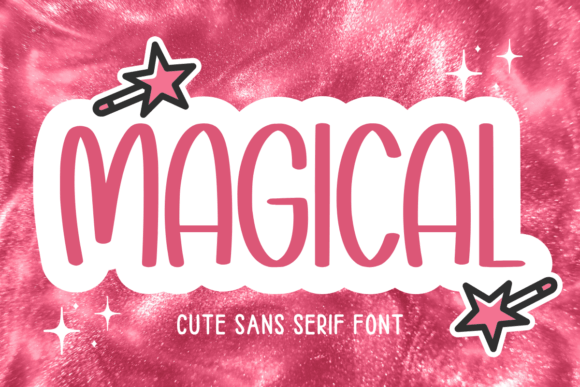
Magical: A Sans Serif Font for Whimsical and Elegant Designs
Understanding the Visual Personality of Magical
When you first encounter the Magical typeface, the immediate impression is one of friendly sophistication. As a sans serif font, it strips away the heavy, traditional serifs found in older styles, offering a clean and modern aesthetic. However, unlike stark, geometric typefaces that can feel cold or corporate, Magical injects a distinct warmth into its letterforms. The characters feature soft, rounded edges and gentle curves that mimic the fluidity of handwriting while maintaining the legibility of structured typography. It sits in a unique middle ground—it is polished enough for professional brand identity but playful enough for creative personal projects.
The overall appeal of this creative font lies in its "graceful demeanor." It doesn’t shout for attention like a heavy blackletter or a distressed grunge font. Instead, it draws the viewer in with a subtle charm. The spacing is generally balanced, allowing the text to breathe on the page, which makes it incredibly versatile. Whether you are designing a logo for a new startup or laying out a wedding invitation, Magical provides a sense of delight without overwhelming the content it delivers.
Strategic Applications: Where Magical Shines Brightest
Choosing the right typeface for a specific medium is crucial for success. Magical is particularly effective in environments where you want to establish an emotional connection with the audience. Because of its approachable nature, it is an excellent choice for packaging design. Imagine a line of artisanal candles or organic skincare products; Magical fits perfectly on the label, communicating quality and care without feeling stuffy. It signals to the consumer that the product inside is crafted with attention to detail.
In the realm of web design and social media graphics, readability is king. Magical performs admirably here, especially for headings and short bursts of text. On platforms like Instagram or Pinterest, where visual hierarchy determines whether a user stops scrolling, this font helps create focal points that are easy on the eyes. It works beautifully for quote graphics, lifestyle blog headers, and call-to-action buttons where you want a friendly, inviting tone.
For editorial design and publishing, Magical serves a specific niche. While it might not be the best choice for the body text of a dense novel due to its display nature, it is perfect for chapter titles, pull quotes, and cover art. It adds a touch of whimsy to magazines targeting lifestyle, parenting, or travel audiences. Small business owners often find that using a premium font like Magical helps elevate their logo design, making their brand look established and trustworthy from day one.
Mastering Font Pairings and Visual Hierarchy
No font is an island. To get the most out of Magical, you need to consider font pairing. Because Magical has such a distinct personality—playful yet elegant—it pairs best with typefaces that offer contrast without conflict. A classic strategy is to pair this sans serif font with a clean, high-contrast serif font for body copy. For example, using a serif like Garamond or a modern serif like Playfair Display for your paragraphs allows Magical to handle the headlines. This creates a clear visual hierarchy, guiding the reader's eye from the whimsical headline to the informative body text.
Alternatively, if you want a ultra-modern look, you can pair Magical with a very neutral, geometric sans serif. However, be careful not to choose a pairing that is too similar, as this can create visual discord. The goal is to let Magical act as the "voice" of the design while the secondary font acts as the "narrator." This balance is key to modern typography and ensures your design feels cohesive rather than chaotic.
Practical Guidance for Implementation
Before integrating Magical into your next project, it is vital to review the specific styles included with the commercial font license. Most high-quality fonts come with various weights—such as Light, Regular, Bold, and sometimes italics. Understanding these weights allows you to create emphasis naturally. For instance, using the Bold weight for key phrases and the Regular weight for subtitles can enhance readability and draw attention to the most important information.
For entrepreneurs and marketers, licensing is a critical consideration. Ensure that the license covers your intended use, whether it is for digital ads, merchandise, or software applications. Investing in a legitimate license protects your business and supports the type designers who create these valuable design assets.
Finally, always test the font in context. A typeface can look different on a screen compared to printed paper. If you are using Magical for packaging design, print out a sample to check how the ink sits on the material. If you are using it for web design, test it across different devices and browsers to ensure the font rendering remains crisp. By taking the time to evaluate the fit, you ensure that Magical lives up to its name, adding that perfect touch of whimsy and professionalism to your work.