Farmhouse Handwriting: A Font for Modern Makers and Brands
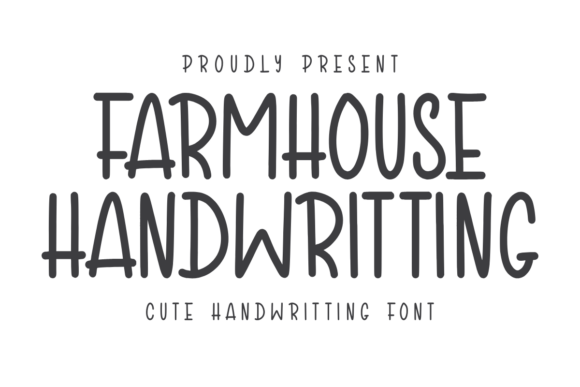
There’s a reason certain typefaces feel like they tell a story before you’ve even read the words. Farmhouse Handwriting is one of those fonts. It’s a handwritten font with a distinct personality—playful, approachable, and undeniably charming. Think of it as the typographic equivalent of a handwritten note from a friend, the kind that feels personal and warm. It’s not trying to be a formal serif font or a sleek sans serif font; it’s a script font that embraces the imperfect, human touch that so many modern brands and creators are seeking to inject into their work.
This creative font is built for makers. Its slightly irregular baseline and natural letter connections give it an authentic, crafted feel. It’s the kind of premium font that works beautifully when you want to soften a design, add a layer of relatability, or create an instant connection with your audience. For designers, entrepreneurs, and hobbyists, it’s a versatile design asset that can bridge the gap between professional polish and personal touch.
Where Does This Handwritten Font Truly Shine?
The strength of Farmhouse Handwriting lies in its application. It’s not a one-size-fits-all display font, but in the right context, it elevates a project from ordinary to memorable. Its sweet spot is anywhere that benefits from a dose of personality and authenticity.
For creative moms, DIY enthusiasts, and journaling lovers, this font is a natural fit. Imagine it on planner covers, weekly spreads, or motivational quote prints. It’s perfect for Cricut crafts, adding a custom, hand-lettered look to vinyl decals, gift tags, and greeting cards without the need for actual calligraphy skills. Its legibility at smaller sizes makes it practical for stickers and labels, where a playful tone is desired.
In the world of brand identity and logo design, Farmhouse Handwriting can be a secret weapon for certain niches. It’s ideal for brands that want to communicate warmth, approachability, and a handmade ethos. Think artisan bakeries, boutique craft shops, lifestyle blogs, or eco-friendly product lines. Used in a logo, wordmark, or brand collateral, it helps build a brand identity that feels human and trustworthy. It pairs surprisingly well with a clean sans serif font for body text, creating a balanced and professional hierarchy.
Beyond personal projects and small business branding, its applications extend into marketing and publishing. Use it for pull quotes in editorial design, chapter headings in a cookbook, or call-to-action buttons on a web design layout to draw the eye. In packaging design, it can add a charming, artisanal quality to product labels. For social media graphics, especially on platforms like Instagram and Pinterest, it helps create engaging, shareable content that stands out in a feed full of stark, corporate typography.
Practical Guidance for Using Farmhouse Handwriting Effectively
Choosing a font is a strategic decision, not just an aesthetic one. Here’s how to evaluate and implement Farmhouse Handwriting to ensure it enhances, rather than hinders, your project.
Evaluate the Project Fit. Ask yourself: does the tone of my project call for a personal, friendly, or whimsical voice? If you’re designing a legal contract, a technical manual, or a fintech app interface, this is likely not the right choice. However, if you’re creating a wedding invitation, a blog header, a café menu, or promotional materials for a community event, it could be perfect. The font’s personality should align with the message you want to convey.
Master the Font Pairing. This is where design skill comes into play. A handwritten font like Farmhouse Handwriting should almost never be used for long blocks of body text. Its charm can become a readability hurdle. The professional approach is to use it as an accent. Pair it with a highly legible, neutral serif font or sans serif font. For example, use Farmhouse Handwriting for a main headline, and set your subheadings and body copy in a font like Lato, Open Sans, or Merriweather. This creates clear visual hierarchy and maintains professionalism.
Test for Readability and Legibility. Always test the font at the actual size it will be viewed. While it may look lovely in a design mockup, ensure the letters are distinct enough when printed small on a sticker or viewed on a mobile screen. Pay attention to the letter spacing (tracking) and line height (leading) to ensure text remains comfortable to read.
Review the Included Styles and Licensing. A quality commercial font often comes with more than one style. Check if Farmhouse Handwriting includes alternates, ligatures, or additional weights that can give you more creative flexibility. Crucially, understand the commercial licensing terms. If you plan to use it for client work, merchandise for sale, or in a widely distributed publication, you must ensure you have the appropriate license. This is a fundamental part of respecting the type designer’s work and protecting your own projects.
Ultimately, fonts like Farmhouse Handwriting are more than just design assets; they are tools for storytelling. By understanding its personality and applying it thoughtfully, you can leverage this handwritten font to create designs that don’t just look good, but feel genuinely connected to the people they’re meant to reach. It’s a small detail that can make a significant impact on audience engagement and brand recognition.