Graffiti: Inject Raw Urban Energy Into Your Designs
If you're tired of sterile, over-polished typography and crave something with genuine street credibility, Graffiti is the display font that delivers. This isn't your standard geometric sans serif or elegant script font; it’s a heavy, aggressive wildstyle typeface that captures the chaotic beauty of a subway mural or a downtown alley tag. For designers and creatives looking to break away from the mundane, Graffiti offers a direct line to the raw, authentic pulse of hip-hop culture and urban art. It’s loud, it’s unapologetic, and it demands attention in a way that polite typography simply cannot.
Anatomy of an Urban Powerhouse
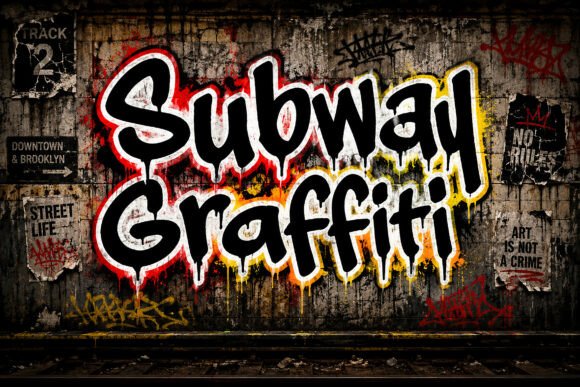
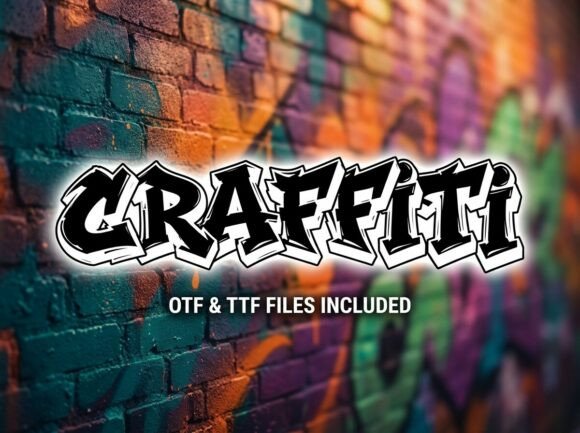
When you look at Graffiti, the first thing you notice is the movement. The letters aren't sitting quietly on a baseline; they are aggressively tilted and overlapping, creating a sense of kinetic energy that feels like it’s about to jump off the screen. This premium font draws heavily from classic street mural tags, utilizing sharp, chiseled cutouts that give the letters a rugged, hand-carved texture. It’s a visual style that speaks to rebellion and creativity simultaneously.
The structural design is built on high-contrast outlines. The thick strokes provide the weight needed for a display font, ensuring that even when used small, the presence is felt. However, the real magic lies in the details. Graffiti features "dripping terminal behaviors"—a fancy way of saying the ends of the letters drip like wet spray paint. Paired with a stark white 3D drop highlight, this creates a convincing illusion of depth and texture. It mimics the way light hits a physical spray-paint mark, giving your graphic design projects a tactile quality that flat vectors often lack.
Where to Unleash the Chaos
Graffiti is undeniably a specialist. It is not meant for body text or corporate memos. Its personality is too strong for long-form reading, but as a focal point, it is unbeatable. If you are working on hip-hop album cover art, this font is practically a requirement. It bridges the gap between musical rebellion and visual art.
Beyond music, consider the following applications where this creative font shines:
- Streetwear and Merchandise: The font’s rugged texture holds up incredibly well on fabric. It looks fantastic on hoodies, snapbacks, and tote bags where the "worn" aesthetic is part of the brand identity.
- Extreme Sports and Events: Whether it's a skateboarding competition, a BMX rally, or a paintball tournament, Graffiti brings the necessary adrenaline. Use it for event banners and posters to instantly communicate high energy.
- Gaming and Digital Culture: For stream overlays, YouTube thumbnails, or gaming clan logos, this typeface provides instant recognition. It fits perfectly into the "edgy" aesthetic popular in shooter and racing game communities.
- Editorial and Poster Design: If you are designing a magazine cover or a gig poster, Graffiti serves as an extraordinary centerpiece. It draws the eye immediately, which is the primary goal of any poster layout.
Strategic Typography: Perception and Pairing
Choosing a font like Graffiti is a strategic decision that influences how your audience perceives your brand identity. Using this typeface tells your viewer that your brand is energetic, youthful, counter-culture, and authentic. It creates an immediate emotional connection with audiences who identify with street culture, skating, or underground music scenes. However, using it for a law firm or a luxury spa would be a mismatch that confuses the audience.
Readability and Visual Hierarchy
Because Graffiti is a display font with heavy overlapping and stylistic swashes, readability drops significantly if you try to use it for more than a few words. It is designed for headlines, logos, and single-word callouts. To maintain a professional hierarchy, you must contrast it with something clean. If the headline is screaming, the sub-headline needs to whisper.
This is where font pairing becomes critical. You generally want to avoid pairing Graffiti with other decorative fonts, such as a script font or a complex serif font. The visual noise would be overwhelming. Instead, lean toward neutral, geometric sans serif fonts. A clean, medium-weight sans serif provides the perfect counterbalance, allowing the reader to digest the details of your message while appreciating the artistry of the header.
Practical Application Tips
Before you drop this asset into your final design assets folder, take a moment to evaluate the fit. Here are a few practical recommendations for working with this style of typography:
- Test the Context: Does your project require a rebellious tone? If the answer is yes, Graffiti is a match. If you are designing a web design interface for a banking app, step away.
- Check the Styles: High-quality commercial fonts often come with alternates or ligatures. Explore the character map to see if there are different versions of the "A" or "G" that might flow better with your specific layout.
- Licensing Matters: If you are using this for a client's logo design or mass-produced packaging design, ensure you have the correct commercial license. Most standard licenses cover personal use, but selling merchandise usually requires an extended license.
- Color and Texture: Graffiti looks best when it interacts with its environment. Don't just place it on a white background. Try overlaying it on concrete textures, brick walls, or gritty paper to enhance the spray-paint effect. Use high-contrast colors—neon pinks, cyans, and yellows—to mimic the vibrancy of actual street art.
Ultimately, Graffiti is more than just a typeface; it’s a statement. It brings the raw, unpolished energy of the city streets into your modern typography toolkit. Whether you are a small business owner launching a streetwear line or a content creator building a gaming channel, this font provides the visual shorthand for cool, edgy, and authentic. Use it wisely, pair it with restraint, and let it do what it does best: shout your message from the rooftops.