Mini Bold: The Ultimate Power Move in Modern Typography
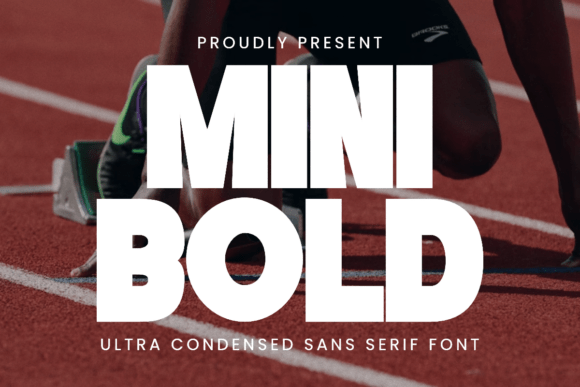
In the crowded world of digital and print design, standing out isn't just an option—it's a requirement. If you've ever struggled to find a typeface that commands attention without screaming for it, Mini Bold might just be the secret weapon your toolkit is missing. This isn't just another blocky font; it is an ultra-condensed sans-serif typeface engineered for maximum vertical impact. It combines the raw power of heavy weight letterforms with a sleek, modern structure, allowing you to say more in less space without sacrificing legibility. For designers who value efficiency and edge, this typeface is a game-changer.
Anatomy of a Heavy Hitter: Visual Characteristics
When you look at Mini Bold, the first thing you notice is the height. Unlike standard bold fonts that simply thicken the stroke, this font stretches vertically, creating a condensed, towering presence. It strips away the unnecessary ornamentation found in serif fonts or the casual loops of a handwritten font, opting instead for a clean, geometric aesthetic. The letterforms are tight and intentional, with minimal spacing that forces the eye to read the word as a singular, solid block. This creates a visual texture that feels dense and substantial, perfect for anchoring a layout.
The personality of this typeface is undeniably energetic and aggressive, but in a controlled, professional way. It doesn't look chaotic; it looks athletic. Think of the difference between a sprinter and a marathon runner—Mini Bold is the sprinter, built for short bursts of explosive energy. It fits perfectly into the realm of modern typography where clarity and impact are prioritized over flourishes. Because it is a sans-serif font, it maintains a neutral, contemporary edge that avoids feeling dated quickly, making it a versatile asset for long-term use in your design assets library.
Where Impact Matters Most: Real-World Applications
Knowing a font looks cool is one thing; knowing how to use it effectively is where the real value lies. Mini Bold excels in environments where space is limited but the message needs to be huge. It is, by definition, a display font. This means it is optimized for headlines, sub-headers, and attention-grabbing slogans rather than long-form body text.
Here is where this premium font truly shines:
- Apparel and Merchandise: On t-shirts, hoodies, and hats, vertical space is often restricted. The condensed nature of Mini Bold allows you to stack words effectively, creating a strong center chest or back print design that looks balanced and professional.
- Poster Design and Advertising: Whether it's a gig poster or a sale banner, you need text that can be read from a distance. The bold weight ensures high contrast against backgrounds, making it ideal for advertising campaigns.
- Sports and Esports Branding: The font exudes strength and competition. It is perfect for team logos, jersey numbers, and event graphics where a sense of power and speed is required.
- Packaging Design: On shelves crowded with competitors, Mini Bold helps products pop. It works exceptionally well for product names on boxes, bottles, and labels, especially in the fitness, tech, or lifestyle sectors.
- Social Media Graphics: In the fast-scrolling world of Instagram and TikTok, you have milliseconds to grab attention. Using this typeface for Reel covers or quote graphics ensures your message lands immediately.
Strategic Typography: Influence on Brand Perception
Typography is silent communication. The font you choose for a project tells a story before the audience even reads the words. By incorporating Mini Bold into your brand identity, you are signaling modernity, efficiency, and confidence. It moves away from the whimsical nature of a script font or the traditional authority of a serif font, positioning your brand as forward-thinking and direct.
Using this typeface consistently across your digital and print assets helps build recognition. When a customer sees that tall, bold structure, they begin to associate it with your style. However, it is crucial to manage the visual hierarchy. Because Mini Bold is so visually heavy, it can easily overpower other elements. Use it for your primary message (H1s, Logos) and pair it with a lighter, wider sans-serif font or a classic serif font for your body copy. This contrast creates a dynamic layout that is easy to navigate.
Practical Implementation and Pairing Tips
Integrating a new creative font into your workflow requires some practical consideration. Before committing to Mini Bold for a full rebrand, test it on a smaller scale. Create a mockup of a business card, a website hero section, and a social media post. Does the font maintain its impact at different sizes? Generally, condensed fonts like this perform best at larger sizes. If you try to use it for small paragraphs, the tight spacing might cause letters to clump together, reducing readability.
When it comes to font pairing, balance is key. Since Mini Bold has a strong, rigid personality, it pairs well with typefaces that are softer or more spacious.
- The Classic Professional: Pair Mini Bold headers with a clean, geometric sans-serif font for the body text (like Montserrat or Open Sans). This keeps the look modern and cohesive.
- The Editorial Look: Combine the condensed headers with a high-contrast serif font (like Playfair Display). The difference in structure creates a sophisticated, magazine-style aesthetic suitable for editorial design.
- The Handmade Contrast: For a more artistic vibe, mix the industrial strength of Mini Bold with a handwritten font for accent text. This works well for wedding signage or boutique branding.
Finally, ensure you understand the licensing. Since Mini Bold