Psychotropic: A Creative Font for Modern Design Projects
Finding a typeface that balances distinctiveness with broad appeal is a common challenge for designers. You want something with personality, but not so much that it overshadows the content or limits its use. Psychotropic enters this space as a premium font that manages to be both a display font with character and a versatile tool for a range of applications. Its soft, unique strokes give it a special character, making it a meaningful addition to any designer's toolkit.
Visual Character and Design Personality
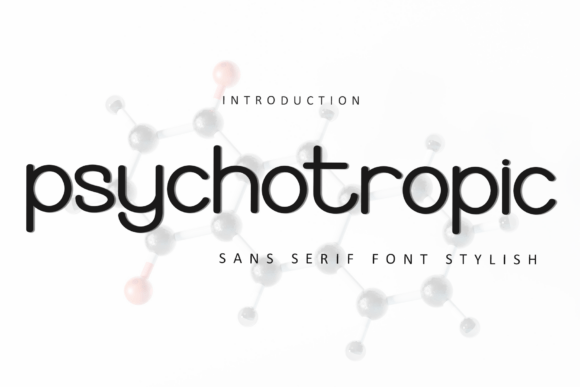
At first glance, Psychotropic presents a modern typography style that feels approachable yet confident. It’s neither a rigid sans serif font nor a traditional serif font. Instead, it carves its own path with gentle curves and a flowing rhythm. This isn't a stark script font or a casual handwritten font, but it borrows a sense of natural movement from both. The result is a creative font that feels organic and crafted, suitable for projects that aim to connect on a human level without sacrificing clarity.
The font’s visual personality is its greatest asset. It conveys creativity, warmth, and a touch of sophistication. This makes it a strong candidate for logo design, where first impressions are crucial. A brand using Psychotropic can signal innovation and approachability simultaneously. In editorial design, it can bring life to headlines and pull quotes, guiding the reader's eye with its distinctive flow. For packaging design, it helps products stand out on a shelf by communicating artisanal quality or modern elegance, depending on the context and color palette used.
Practical Applications Across Creative Fields
The true test of a commercial font is its real-world performance. Psychotropic’s versatility makes it a valuable design asset for numerous scenarios. For web design, it can be used effectively for hero sections, blog post titles, and call-to-action buttons where you need to capture attention quickly. Its legibility at various sizes is a key consideration, but for short bursts of impactful text, it excels.
Consider its role in building a brand identity. Consistency is vital, and a font like Psychotropic can be the thread that ties together a brand’s voice across different touchpoints. It works well for:
- Social media graphics and digital ads where scroll-stopping power is essential.
- Marketing materials like brochures and flyers for events or product launches.
- Business cards and stationery that benefit from a memorable typographic signature.
- Product labels and packaging design for food, cosmetics, or lifestyle goods.
- Book covers and editorial design projects that need a distinctive title treatment.
For entrepreneurs and small business owners, investing in a premium font like this is about professionalism. It elevates DIY projects, making a small business look established and thoughtful. Crafters and hobbyists also find value in such fonts for creating personalized items, invitations, or custom merchandise where a unique touch is desired.
Integrating Psychotropic Into Your Workflow
Choosing the right font is only half the battle; using it effectively is the other. When evaluating Psychotropic for a project, start by considering the audience. Its friendly yet professional vibe suits markets aiming at adults aged 20–50, particularly in creative, lifestyle, or tech-adjacent fields. Test it in context. How does it look next to your chosen imagery? Does it pair well with a simpler body text font? A common strategy is to combine a expressive display font like Psychotropic with a clean, neutral sans serif font for paragraphs to ensure readability.
Review the font’s included styles and weights. Does it offer the flexibility you need for different levels of visual hierarchy? A good font pairing strategy creates a system where Psychotropic handles the high-impact elements, while supporting fonts manage the dense information. This approach maintains consistency and professionalism across all materials.
Always check the licensing. Since Psychotropic is a commercial font, ensure its license covers your intended use, whether for a client project, a product for sale, or a personal website. Respecting font licensing is a hallmark of a professional designer and protects you legally.
Ultimately, Psychotropic is more than just a set of glyphs. It’s a tool for influencing brand perception and audience engagement. Its distinctive strokes can make a design feel more curated and intentional, helping your work—and your clients' work—stand apart in a crowded visual landscape. By applying it thoughtfully, you leverage its character to enhance communication, not just decorate it.