Simple Aesthetic: A Font with Quiet Confidence
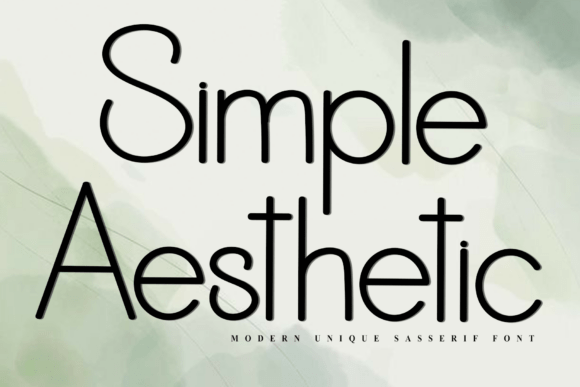
There’s a particular challenge in finding a typeface that feels both personal and professional. We often search for fonts that can carry a brand’s voice without shouting, that can feel handmade without looking messy. Simple Aesthetic is a premium font that sits in that thoughtful space. It’s not about making a loud statement; it’s about adding a layer of refined, human touch to your work. The design features soft curves and gentle, unique strokes that give each letterform a distinct personality. This isn’t a rigid geometric sans serif or a traditional serif font. It carries the warmth of a script font or handwritten font but with a clarity and consistency that makes it surprisingly versatile.
Think of it as the typographic equivalent of a well-made linen shirt or a piece of hand-thrown pottery. It has texture and character, but it doesn’t overwhelm the composition. This quality makes Simple Aesthetic a valuable design asset for projects where you want to communicate authenticity, creativity, and approachability. Its personality is calm, creative, and confident, making it a natural fit for brands and creators who want to connect on a more human level.
Where This Creative Font Truly Shines
The strength of a font like Simple Aesthetic lies in its application. It’s a display font by nature, meaning it’s crafted to be used at larger sizes for headlines, titles, and short bursts of text where its character can be fully appreciated. Trying to set a full paragraph of body copy in it would likely reduce readability, but used strategically, it elevates a design.
In logo design and brand identity, it can become the cornerstone of a visual system for a boutique, a wellness brand, a coffee shop, or a freelance creative. It suggests a story behind the brand. For packaging design, imagine it on a candle label, a artisan food product, or a cosmetics box—it instantly communicates care and quality. In editorial design, it can create striking chapter titles or pull quotes in a magazine or book cover.
For digital creators, its value is immediate. It makes social media graphics more engaging and helps a blog’s header feel more curated. It’s also excellent for web design elements like hero section headlines or call-to-action buttons where you want to draw the eye without using a generic typeface. For crafters and hobbyists, it’s perfect for custom invitations, greeting cards, and DIY projects. Its compatibility with common platforms means you can use it across design software, word processors, and more, ensuring your vision translates consistently from screen to print.
Making It Work: Practical Guidance for Your Projects
Choosing a font is a practical decision, not just an aesthetic one. Here’s how to evaluate if Simple Aesthetic is the right fit for your next project.
First, consider the font pairing. A creative font with this much personality needs a neutral partner. Pair it with a clean sans serif font or a simple serif font for body text. For example, using Simple Aesthetic for a main headline and a font like Montserrat or Lora for the supporting text creates a balanced, professional visual hierarchy. This contrast ensures your message is both eye-catching and easy to read.
Next, test it for your specific context. Mock up a headline on your website, a title on your packaging draft, or a quote in your social media template. Does it feel right? Does it enhance the visual hierarchy or get lost? Its soft, unique strokes should guide the viewer’s eye, not confuse it. Check the included styles—does it have the weights or alternates you need? A good commercial font often includes multiple styles or glyphs that expand its utility.
Finally, understand the licensing. For any commercial use, from client work to products you sell, ensure you have the correct commercial font license. This protects you legally and supports the font designer’s work. Simple Aesthetic’s versatility as a modern typography choice means it can adapt, but your responsibility is to use it correctly. By thoughtfully integrating this typeface, you’re not just decorating a design; you’re adding a layer of meaning that can strengthen brand perception, create consistency, and ultimately help your work resonate more deeply with your audience.