The Understated Elegance of the Sugar Kitchen Typeface
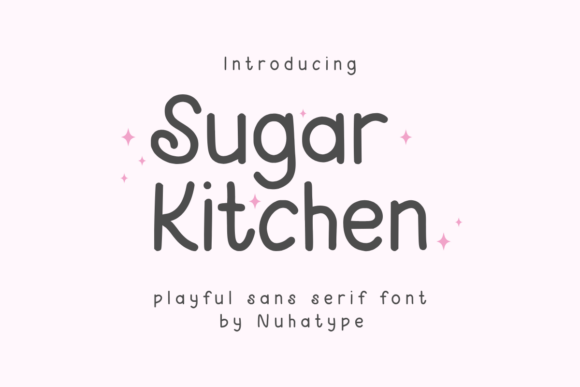
There's a certain quiet confidence in simplicity. In a world saturated with loud, bold graphics, a design that whispers often holds the most power. This is the space where the Sugar Kitchen typeface lives. It’s an elegantly minimalist, thin sans serif font that doesn’t shout for attention but rather invites you in with the familiar, gentle charm of natural handwriting. Think of it as the soft-spoken friend in your design toolkit—the one whose presence is always felt, always appropriate, and never overwhelming.
At its core, Sugar Kitchen is a study in refined restraint. Its thin, clean strokes provide a modern foundation, but the subtle, organic imperfections borrowed from hand-lettering prevent it from feeling sterile or cold. This isn't a rigid, geometric sans serif. It breathes. The letterforms have a slight variation in weight and a delicate baseline shift that mimics the flow of a pen on paper, creating a sense of warmth and approachability. This unique personality makes it a versatile creative font, equally at home on a digital screen as it is etched onto a physical product.
Where a Minimalist Font Truly Shines
The real strength of a typeface like Sugar Kitchen is its chameleon-like ability to adapt to context without losing its soul. Its simplistic allure is a powerful asset for creators who need their typography to support the content, not overpower it. For entrepreneurs and crafters using tools like Cricut, this font is a game-changer. Imagine the clean, professional look on custom stickers and labels for artisanal goods, or the personal touch it adds to monograms on tote bags and apparel. Its thin line weight ensures intricate cuts are crisp and clear, a practical consideration for any maker.
Beyond the craft room, its applications in editorial design and publishing are vast. As a font for planners and journals, it helps create layouts that feel personal and inspiring without visual clutter. It’s perfect for pull quotes, chapter headings, or annotations that need to feel handwritten yet legible. In the realm of interior KDP (Kindle Direct Publishing), using Sugar Kitchen for titles on coloring books, activity books, or quote collections gives them an instant boutique feel, elevating the perceived value and appeal to a discerning audience.
Building a Cohesive Brand Identity
For designers and brand strategists, Sugar Kitchen offers a subtle way to inject personality into a brand identity. A brand that wants to be seen as authentic, thoughtful, and modern can use this font to craft a distinct voice. It works beautifully for logo design for boutique businesses, cafes, wellness brands, or lifestyle bloggers. Paired with a strong, complementary serif font or a clean, geometric sans serif, it creates a dynamic and professional typographic hierarchy that guides the reader's eye.
Consider its role in packaging design. On a coffee bag, a candle label, or a skincare bottle, Sugar Kitchen communicates care and quality. It suggests the product inside is crafted with intention. In social media graphics, it provides a consistent, recognizable aesthetic that feels curated and approachable. This consistency across all touchpoints—from a website built with this premium font to printed marketing materials—builds trust and strengthens audience recognition. It’s a tool for creating a seamless and professional experience.
Practical Guidance for Your Projects
Choosing a font is a practical decision. Before integrating Sugar Kitchen into your workflow, consider the following to ensure it’s the right fit for your project's goals.
- Evaluate the Project's Voice: Does your project call for a soft, human touch? If you're designing a technical manual, this might not be the primary choice. But for a wedding invitation, a motivational poster, or a boutique website, its personality is ideal.
- Test for Readability: While beautiful, its thin strokes are best suited for larger text sizes, such as headings, subheadings, logos, and short quotes. Avoid using it for long blocks of body copy where a more robust sans serif font or serif font would ensure comfortable reading.
- Master the Font Pairing: Sugar Kitchen thrives in partnership. Pair it with a high-contrast, sturdy serif for a classic, elegant look. Alternatively, combine it with a simple, neutral sans serif to let its handwritten qualities stand out as a focal point.
- Review Included Styles: A complete font family often includes multiple weights and styles (like regular, bold, italic). Check what’s included. Using the italic style for emphasis or a slightly bolder weight for subheadings can add valuable nuance to your designs.
- Understand Commercial Licensing: For any project that will be sold or used for commercial purposes—like on products, in client work, or for marketing—ensure you have the appropriate commercial license. This is a critical step for any commercial font to protect both you and the font creator.
Ultimately, Sugar Kitchen is more than just a collection of letters. It's a design asset that bridges the gap between digital precision and human warmth. It’s for the designer who values subtlety, the entrepreneur who wants to tell a story of quality, and the crafter who believes in the power of a personal touch. By understanding its strengths and applying it thoughtfully, you can transform ordinary projects into extraordinary expressions of your unique creative vision.