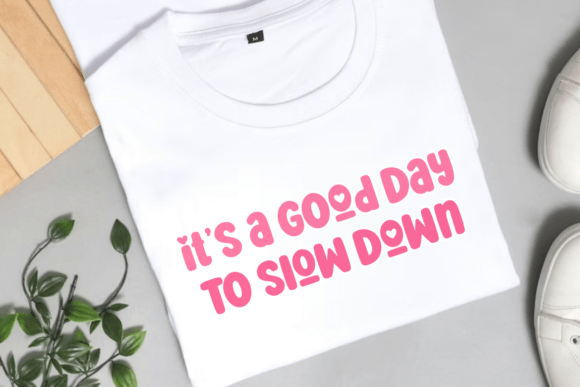
Bring Your Ideas to Life with Honey Bubble
Finding the right typeface for a project is often about capturing a specific emotion. If you are working on a concept that needs to feel friendly, energetic, and approachable, standard corporate fonts often fall short. This is where display typefaces step in to fill the void. Among the many options available in modern typography, Honey Bubble stands out as a distinct choice for creators who want to inject a sense of playfulness and warmth into their work. It is not just a set of letters; it is a design asset that communicates a specific personality the moment you type it out.
The Visual Personality of Honey Bubble
At its core, Honey Bubble is a display font characterized by its soft curves and bold weight. Unlike a rigid serif font or a geometric sans serif font, this typeface mimics the organic, rounded shapes of bubbles or inflated objects. The letterforms are typically uniform in their thickness, creating a consistent visual texture that feels sturdy yet gentle. The corners are heavily rounded, and the spacing often feels airy and open, which contributes to its legibility even when used at larger sizes. This is a creative font that doesn't take itself too seriously, making it an excellent tool for breaking down barriers between a brand and its audience.
The charm of this typeface lies in its versatility within its niche. It avoids the chaotic look of a rough handwritten font, yet it retains the human touch that a script font offers, but with much better readability. It sits comfortably in a category of "friendly bold" typography. When you look at a headline set in Honey Bubble, you immediately get a sense of lightheartedness. It suggests that the content is accessible and fun, which is a powerful psychological cue in design.
Strategic Applications for Designers and Brands
Understanding where to deploy a font like Honey Bubble is just as important as selecting it. Because it is a premium font designed for impact, it is best used for headlines, logos, and short bursts of text rather than long-form body copy.
Branding and Logo Design
For entrepreneurs and small business owners, logo design is often the first major hurdle. If your brand identity is built around joy, food, children’s products, or creative services, Honey Bubble can serve as a strong foundation for your wordmark. It creates immediate recognition because of its unique shape. A bakery, a toy store, or a lifestyle blog could use this typeface to signal their values without needing elaborate graphics. The bold nature of the font ensures that the brand name remains legible even when scaled down for social media profile pictures or favicon icons.
Digital and Editorial Design
In the realm of web design and editorial design, visual hierarchy is essential. You need your main headings to grab attention instantly. Using Honey Bubble for H1 or H2 tags on a website can draw the reader's eye and set the tone for the article. It pairs exceptionally well with clean, neutral body fonts. For example, using a simple sans serif font for the paragraphs allows the bold, bubbly nature of the headline to shine without overwhelming the reader. This contrast creates a dynamic reading experience that keeps users engaged.
Packaging and Print
Packaging design requires fonts that communicate quickly on a crowded shelf. The distinct silhouette of Honey Bubble makes it ideal for product names on packaging. Whether it is a label for artisanal jam, a sticker for a shipping box, or the cover of a children’s book, the font adds a tactile quality to the design. It feels "touchable," which is a desirable trait in physical product marketing.
Enhancing Readability and Engagement
One of the misconceptions about display fonts is that they sacrifice readability for style. While some decorative fonts can be difficult to decipher, a well-crafted typeface like Honey Bubble balances aesthetics with function. The key is understanding the context of visual hierarchy.
When used appropriately, this font actually enhances engagement. In a sea of generic social media graphics, a post featuring a bold, bubbly headline is more likely to stop a user from scrolling. The visual weight of the letters commands attention. However, it is crucial to respect the font's nature. It is designed for impact, so using it for 12-point body text in a dense report would be a mistake. For body text, stick to a readable serif or sans serif font, and let Honey Bubble handle the heavy lifting of the headlines.
The font also influences brand perception. Typography speaks volumes about a company's voice. A sharp, angular font might suggest efficiency and modernity, while Honey Bubble suggests approachability and creativity. If you are a content creator or a blogger, using this font consistently across your headers and promotional materials helps build a recognizable brand identity that feels consistent and professional, yet fun.
Practical Guide to Using Honey Bubble
If you are considering adding Honey Bubble to your toolkit, here are some practical considerations to ensure you get the most out of this asset.
Evaluating Project Fit
Before purchasing or downloading a commercial font, always evaluate if the "vibe" matches your project goals. Honey Bubble is excellent for creative, casual, and youth-oriented markets. It works well for wedding invitations, greeting cards, and party supplies. However, it might not be the best choice for a law firm’s annual report or a serious financial institution’s website. Context is everything in design.
Font Pairing Strategies
Successful font pairing is about contrast. Since Honey Bubble is round, bold, and decorative, it pairs best with fonts that are structured and understated.
- With Sans Serif: Pairing it with a clean sans serif font like Helvetica, Open Sans, or Roboto creates a modern, balanced look. The simplicity of the sans serif grounds the playfulness of the bubble font.
- With Serif: For a more editorial or "magazine" feel, try pairing it with a transitional serif font. The contrast between the structured serifs and the soft bubbles can create a sophisticated yet approachable aesthetic.
- Avoid: Do not pair Honey Bubble with other highly decorative fonts, such as a complex script font or another heavy display font. This will create visual noise and make the design impossible to read.
Licensing and Styles
When acquiring a premium font, check the specific licensing terms. Most commercial licenses cover use for physical end products (like t-shirts or mugs) and digital ads, but they may have restrictions on app usage or server embedding. Always read the license agreement to ensure compliance. Additionally, check if the typeface includes different weights or styles. While the standard bold version is the main attraction, having access to a "light" or "outline" version can significantly expand your creative possibilities, allowing you to create more complex typographic compositions.
Readability Considerations
While the font is legible, pay attention to kerning and tracking when using it in all-caps. Because of the rounded, wide nature of the letters, they can sometimes appear too spread out if the tracking is too loose. Conversely, if the letters are too tight, the "bubbles" might merge. Most design software allows you to adjust these metrics manually, so take the time to tweak the spacing to ensure your text looks polished.
Conclusion
Honey Bubble is more than just a novelty typeface; it is a versatile tool for anyone looking to create a friendly and engaging visual identity. From logo design to social media graphics, its ability to convey warmth and playfulness makes it a valuable asset for designers, marketers, and hobbyists alike. By understanding its visual characteristics and applying it within the right context, you can use this font to bring your creative ideas to life, ensuring your designs stand out with charm and clarity.