Vintage Distressed: Adding Authentic Character to Your Designs
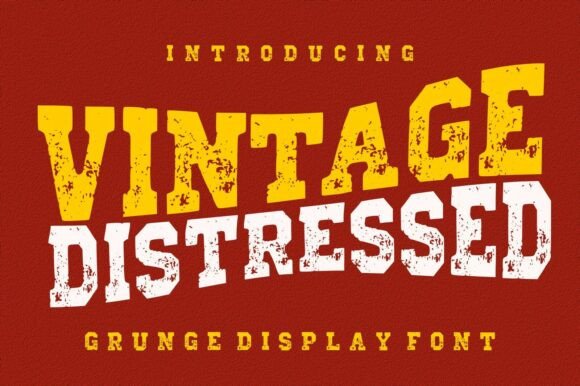
There's a certain weight to designs that feel like they have a story to tell. They evoke a sense of history, craftsmanship, and authenticity that polished, perfect graphics often lack. The Vintage Distressed display font taps directly into this feeling. It’s not just a set of letters; it’s a design tool built to inject instant ruggedness and nostalgic appeal into your work. Inspired by the bold typography of early 20th-century advertising and industrial signage, this typeface combines strong, confident letterforms with a carefully crafted grunge texture. The result is a font that feels both powerful and worn, as if it’s been pulled from an old workshop sign or a faded travel poster.
The visual personality of Vintage Distressed is unmistakable. The character shapes are robust, often with a slight variation in weight that mimics the pressure of old printing methods. The real magic, however, lies in the distressed texture. It’s not a random splatter or a lazy overlay. The grunge effect is integrated into the letterforms themselves, creating ink traps, slight erosion, and areas where the "ink" appears faded. This gives the font an incredible tactile quality, making it look like it was printed on rough paper or weathered wood. It avoids looking digitally perfect, which is precisely its strength. For designers, this means you get the impact of a bold display font with the added layer of authenticity that can take hours to achieve manually in Photoshop.
Where This Rugged Typeface Truly Shines
Understanding where to use a font like Vintage Distressed is key to leveraging its full potential. It’s a specialist, not a generalist. Its bold, textured nature makes it ideal for projects where you need to make a strong visual statement and convey a specific mood. Think of applications where tradition, durability, or a handcrafted ethos are part of the brand story.
- Branding & Logo Design: For brands in the craft brewery, artisan coffee, barbershop, motorcycle, or outdoor adventure space, this font can become the cornerstone of a brand identity. It communicates heritage and reliability without a word of copy.
- Packaging Design: On product labels for hot sauce, whiskey, specialty foods, or handmade goods, the texture adds a layer of perceived quality and tradition. It helps products stand out on a shelf by looking less mass-produced.
- Apparel & Merchandise: This is a natural fit. For t-shirt designs, hoodies, and hats, Vintage Distressed delivers the sought-after retro or workwear aesthetic. It’s built for bold, single-color prints that look fantastic on fabric.
- Editorial & Poster Design: Create captivating magazine covers, event posters, or album art. The font works exceptionally well for headlines and titles, setting a powerful tone for the entire layout.
- Digital & Social Media: While texture can be tricky on small screens, this font excels in large-scale web headers, YouTube thumbnails, podcast cover art, and social media graphics where you need to grab attention instantly.
It’s less suited for body text or situations requiring high legibility at very small sizes, such as mobile app interfaces or lengthy documents. Its role is to be the impactful headline, the memorable logo mark, the defining label—not the supporting paragraph.
Practical Guidance for Using Vintage Distressed Effectively
Adopting a strong creative font requires a thoughtful approach. Simply dropping it into a project isn't enough. Here’s how to integrate it successfully.
Evaluating Project Fit and Readability
Before you choose, ask: Does my project need a voice that speaks of history, grit, or authenticity? If you're designing for a modern tech startup or a luxury spa, this font might clash. For a vintage motorcycle repair shop or a local farm-to-table restaurant, it's perfect. Always test readability at the intended size. View it on different screens and, if possible, print a sample. The distressed details should enhance the letterform, not obscure it. If the texture blends together at your target size, it may not be the right choice.
Mastering Font Pairing and Hierarchy
A display font like this needs a partner. The goal is contrast. Pair Vintage Distressed with a clean, simple sans serif font or a classic serif font for body text or supporting information. This creates a clear visual hierarchy: the bold, textured font for your main headline, and a more neutral font for the details. Avoid pairing it with other highly decorative script fonts or handwritten fonts, as this can create visual chaos. Let it be the star of the show.
Leveraging Included Styles and Licensing
Many premium font families, including quality distressed typefaces, come with multiple styles. Check if Vintage Distressed includes an inline version, a shadow variant, or alternate characters. These extras can provide versatility within a single project, allowing you to create variations in your logo design or packaging design without straying from the core aesthetic. Crucially, always verify the commercial font license. Ensure it covers your intended use—whether for a client’s brand identity, a product you sell, or social media graphics for your business. Respecting licensing is a fundamental part of professional practice.
In the world of modern typography, where clean lines and minimalism often dominate, a font like Vintage Distressed offers a compelling alternative. It’s a piece of design assets that does more than display words; it conveys a mood and a message. By understanding its personality and applying it with intention, you can use this display font to create work that resonates with a deeper sense of character and story, connecting with audiences who appreciate design with a bit of history etched into its very letters.